閉じる
カートは空です。
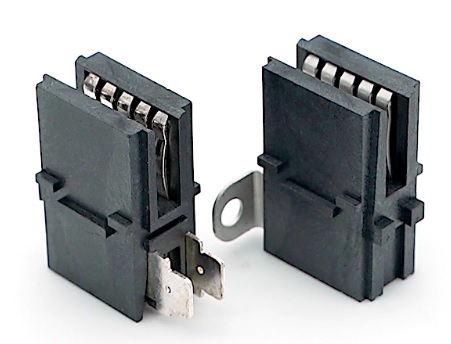
The power consumption of a single AI server can exceed 10 kW, with 6 to 8 servers in a rack. In an effort to reduce power consumption at the rack level, discussion has begun regarding the challenge of distributing 480 Vac and up to 800 Vac directly to the rack and possibly directly to the server. Distributing hundreds of Amps of power within the rack with minimal loss is often accomplished using either large conductor copper cables or busbars, which vary widely in interconnect design, including the ability to extract multiple voltages from one laminated busbar.
Manufacturers of connectors have been reducing resistive loss by improving contact alloys and contact design. Some connectors have been designed to minimize obstruction of cooling airflow as well as through the connector body itself. Recently, connectors designed for use in immersion cooled systems feature modified contact geometry that compensates for impedance shifts between air and liquid surrounded contacts. The voltage rating of several newer power distribution connectors has been increased to support up to 800 VDC which is more efficient than typical 480VAC.
The worldwide electronic connector market expanded by more than $12.7 billion in 2025, delivering a 14.7% increase over 2024 sales, one of the industry’s stronger performances in recent years. All six major global regions recorded positive growth, though the spread between top and bottom performers was striking, with Asia Pacific climbing 32.6%, followed by China, where sales grew 17.3%, while the Rest of World region inched ahead just 0.7%.
ESGT appreciates your guidance and support in the past year. May fortune ride with you through the year of the horse!
CES 2026, taking place on Jan. 6-9 in Las Vegas, is where global brands get business done, meet new partners and where the industry's sharpest minds take the stage to unveil their latest releases and boldest breakthroughs. To get a real feel for the latest solutions to the world's biggest challenges with immersive activations and demos, and to engage with the greatest minds and most impactful brands of our time, what's new at CES 2026?
LPOs are a low-power pluggable module interface that eliminates DSP chips, creating a linear signal path. By simplifying the connection, the LPO reduces cost, latency, and power consumption. The LPO MSA (Linear Pluggable Optics Multi-Source Agreement) Group announced the completion of the 100 Gb/s per lane Linear Pluggable Optics Single-Mode Optical Data Transmission specification, or 100G-DR-LPO. 100G-DR-LPO targets speeds of up to 800 Gigabit Ethernet required for AI and machine learning applications, and can be used in networking and computing equipment such as switches and network interface cards (NICs). QSFP, QSFP-DD, and OSFP are possible form factors, with compatibility with SMF connectors.
OSFP-XD (Octal Small Form Factor Pluggable-eXtended Density) pluggable interface announced by the OSFP MSA in 2021, expanded the number of bi-directional electrical lanes from eight to 16 by creating two rows of 60 contacts each. Operating at 100 Gb/s per lane provides 1.6 Tb/s density with the potential of 3.2 Tb/s capability at a future 200 Gb/s per lane rate. However, the OSFP-XD profile is not backward compatible with OSFP or QSFP which may restrict adoption to new system design. The level of technical support may be more limited and the cost of OSFP-XD modules may be higher due to the current relatively smaller supplier base.
Modern vehicles rely heavily on sensors, cameras, and other technologies to navigate and interact with the environment, and the infotainment system must be integrated with these systems to provide a seamless driving experience. More functionality means more components and less board space. Connector solutions are required to combine miniaturization with ease of assembly/installation, all while supporting high-speed or high-power performance. To ensure high-speed connectivity, connectors should be EMI-shielded.
In the 2025 Optical Fiber Communication Conference and Exhibition (OFC), leading brands such as Cambridge Industries USA, Inc., CIENA Corporation, Cisco Systems, Inc., Coherent Corp, Corning Incorporated, Go!Foton, Infinera, Lumentum, Marvell, Semtech Corporation and TeraHop US Inc. showcased innovations in key areas like 800G, 1.6 Terabit technology, Coherent PON, Linear Pluggable Optics (LPO) and multicore fiber, making OFC 2025 the ultimate destination for collaboration, exploration and the emergence of practical solutions.
ESGT appreciates your support in the past year, and wishes you a prosperous year full of peace and joy!
A busbar is a metallic strip or bar used to conduct electricity from a power source (such as a transformer or generator) to various electrical loads. Busbars provide connection points for electrical devices, such as circuit breakers, fuses, switches, and other components that are mounted directly onto the busbar or connected to it via bolts, clamps, or other means.
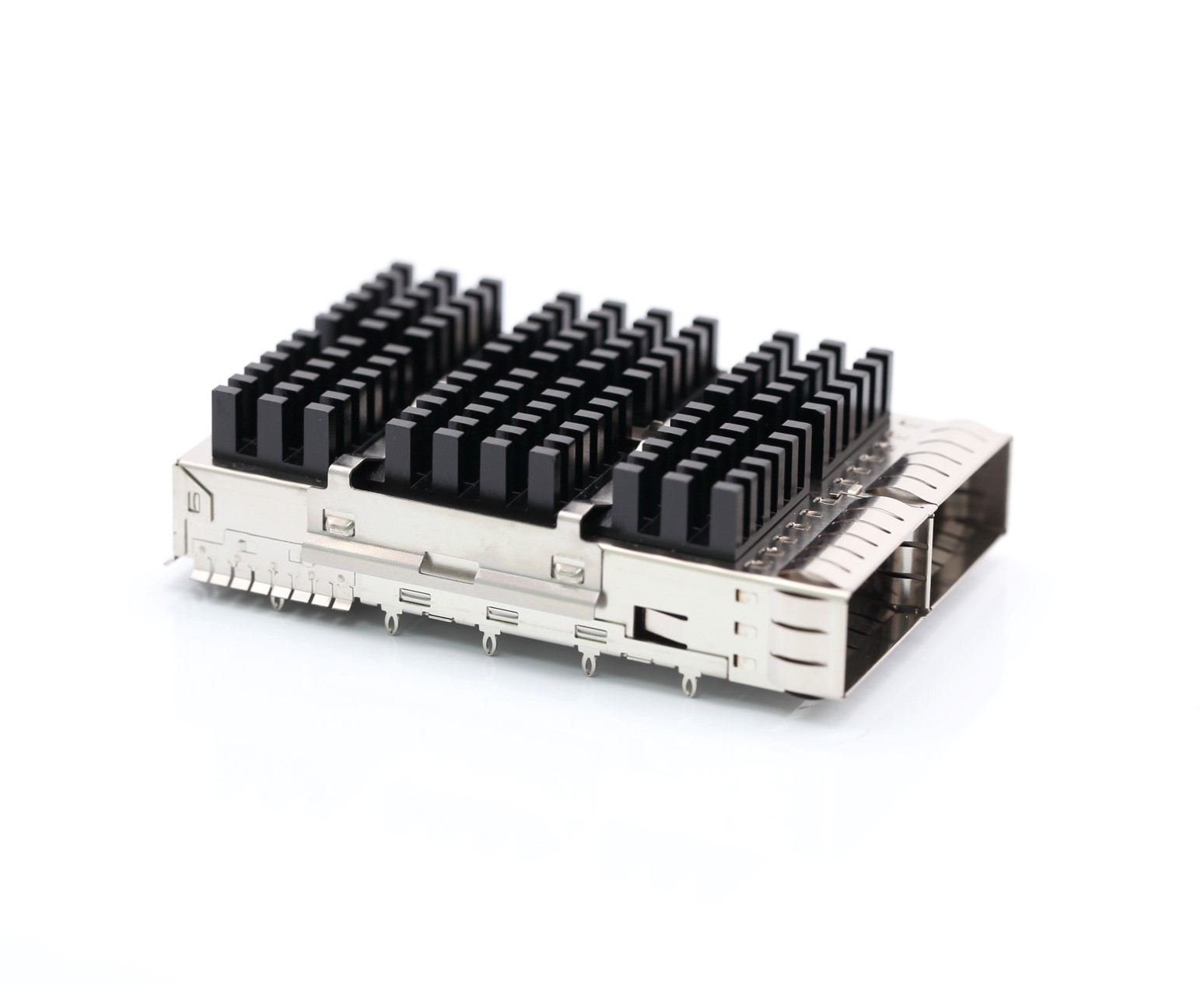
Heat sinks provide thermal management in electronic or mechanical devices for components that can’t sufficiently dissipate heat to moderate temperature. Heat moves through the heat sink to the medium (air or liquid coolant) because of natural conduction, which occurs when the ambient temperature is cooler than the heat sink. Heat sink materials absorb heat energy and transfer it to the environment for efficient cooling.
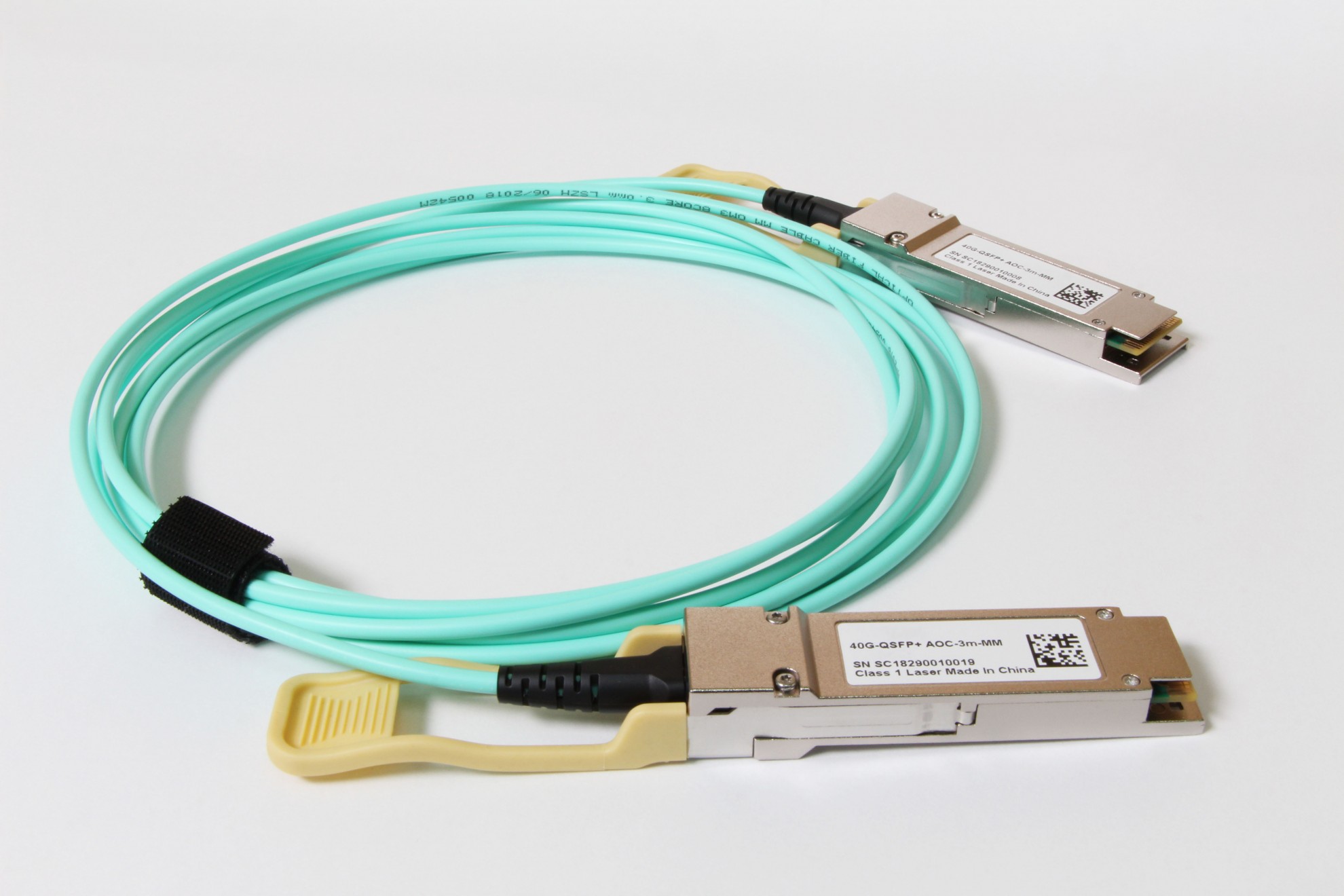
Multimode fiber cables come in several types, categorized by core diameter and bandwidth capabilities. OM1 has a core diameter of 62.5 microns and supports Ethernet speeds up to 1 Gb/s over short distances. OM2, with a 50-micron core, offers improved bandwidth, suitable for Fast Ethernet and Gigabit Ethernet applications. OM3 and OM4, also 50-micron cores, are designed for higher speeds like 10 Gigabit Ethernet, with OM4 supporting longer distances at these speeds. OM5, a newer addition, supports multiple wavelengths for increased network capacity over extended distances, known as Wideband Multimode Fiber (WBMMF).
High-speed backplane, midplane, and orthogonal connectors, as well as I/O connectors, will be required, but so will device sockets and high-density, low-profile cable-to-PCB connectors. Pluggable optical transceivers, including QSFP-DD, OSFP, and OSFP-XD, are being rapidly adopted to provide high-bandwidth interconnection among remote AI clusters.
Advanced connectivity solutions, including high-speed board-to-board connectors, next-generation cables, backplanes, and near-ASIC connector-to-cable solutions operating at speeds up to 224 Gb/s-PAM4 are critical to new data center designs.
Market research firm Gartner said revenue from AI chips in the computer electronics market is likely to hit $33.4bn – 47% of the total revenue for AI chips. Meanwhile, the share occupied by automotive electronics will be approximately $7.1bn, while sales of AI chips in consumer electronics will generate revenues of $1.8bn.
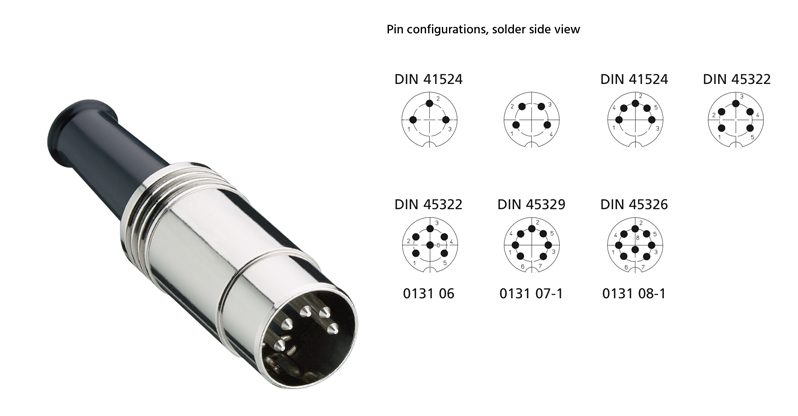
The term “DIN connector” refers to a wide range of connectors that adhere to standards set by the Deutsches Institut für Normung (DIN) or German Institute for Standardization. DIN connectors vary in size, pin configuration, and type, and serve a wide variety of markets and purposes, including audio, video, data, power, and signal transmission. Common DIN connectors include DIN 41612, Circular DIN, Mini DIN, and various other configurations with different pin counts (e.g., 7-pin, 8-pin, 13-pin, 14-pin, 15-pin, 19-pin, etc.).
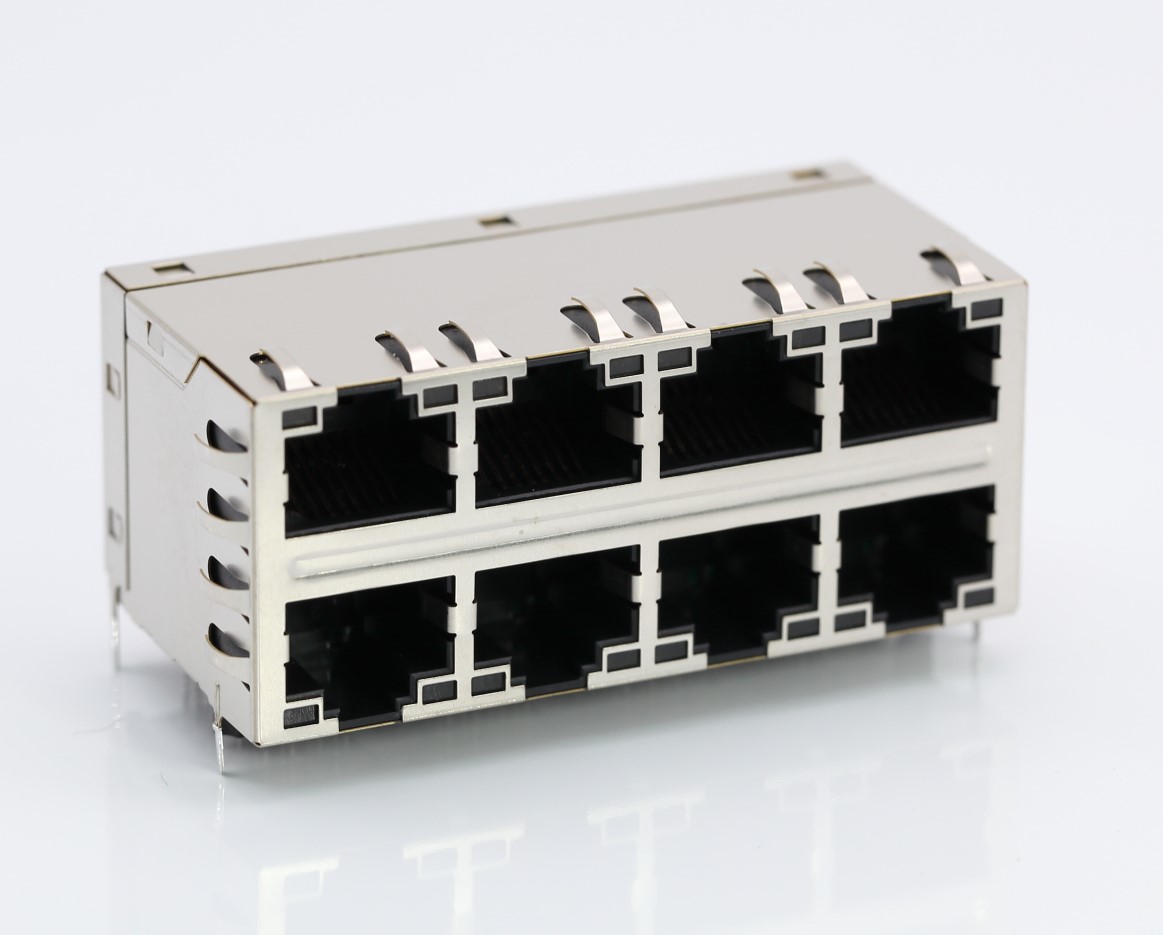
The NBASE-T Alliance was formed in 2014 to develop a standard for intermediate transmission speeds on common CAT 5 and CAT 6 cable (in 2019 the NBASE-T Alliance merged into the Ethernet Alliance). In 2016 the new standard was approved by the IEEE standards association as IEEE Std 802.3bz. The original impetus was to satisfy backhaul requirements for 802.11ac wireless access points, but it soon became apparent the standard could be a useful upgrade alternative to Gigabit Ethernet. The speeds specified are 2.5 Gb/s and 5 Gb/s (or 2.5GBASE-T and 5GBASE-T, respectively).
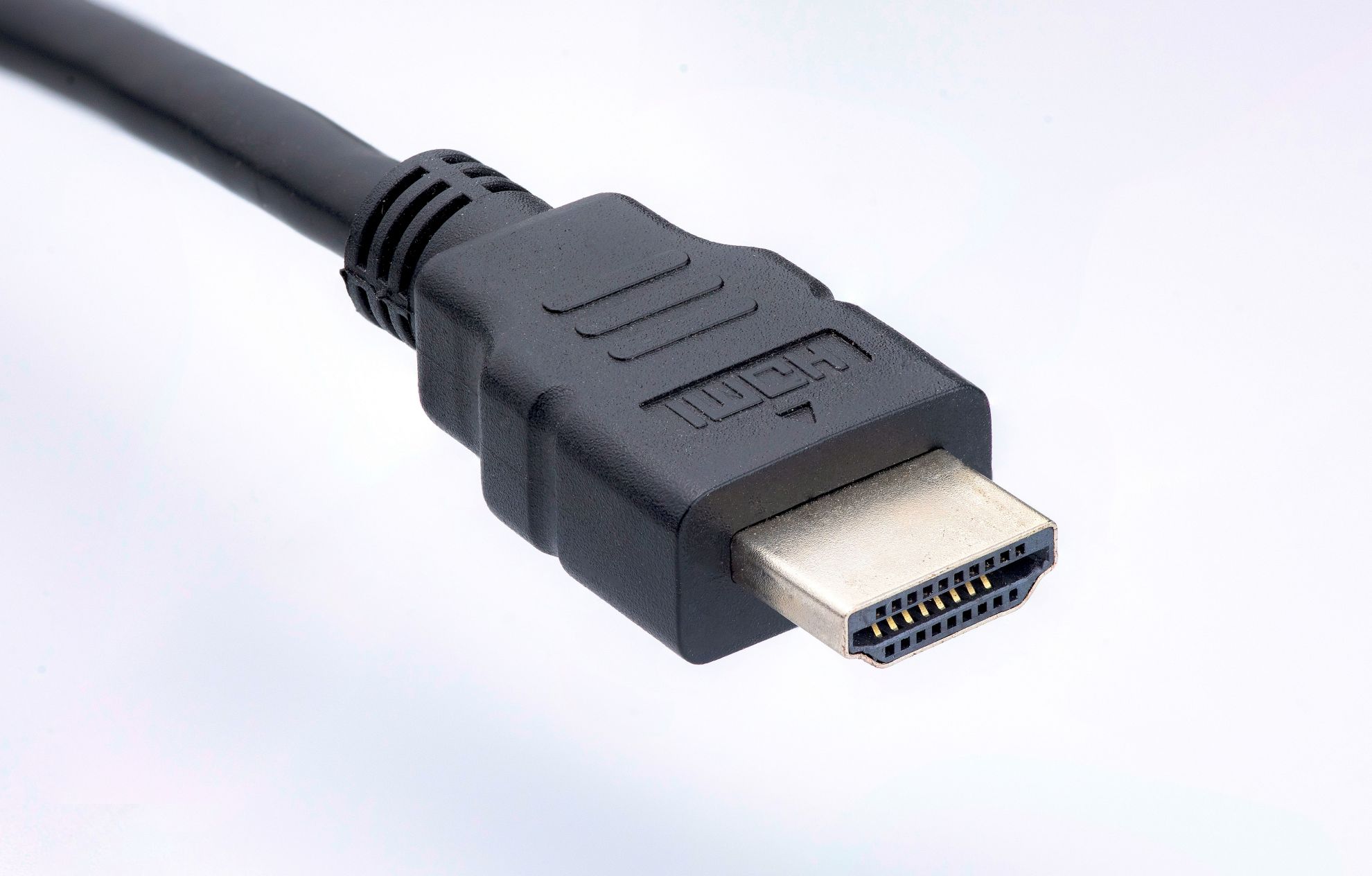
An HDMI connector is a standardized interface used for transmitting high-definition audio and video signals between a source and display. For more than two decades, HDMI (high-definition multimedia interface) connectors have served as a bridge between multimedia devices such as gaming equipment, televisions, computer monitors, automotive technologies, cameras, and audiovisual receivers. HDMI connectors facilitate the transmission of high-resolution audio and video content, supporting resolutions up to 4K, high refresh rates, and multi-channel audio formats like Dolby Atmos and DTS:X.
ESGT appreciates your support in the past year, and wishes you a new year full of fortune and joy!
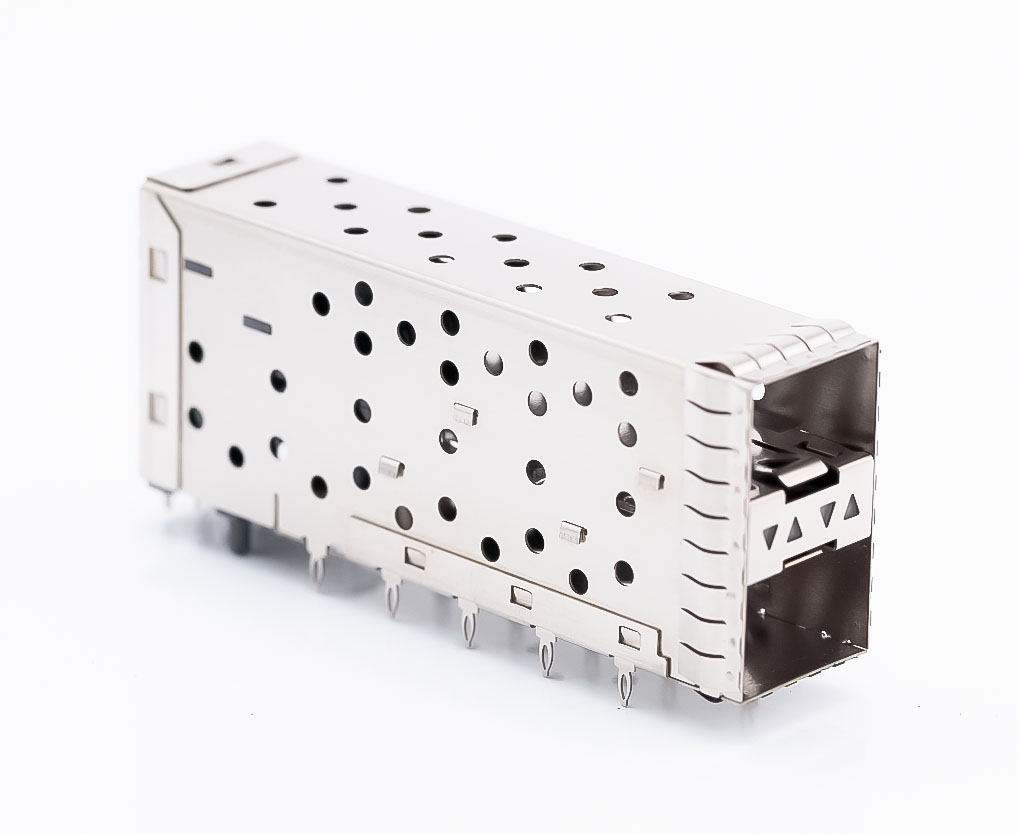
SFPs continued to evolve and dominate the network industry as they were constantly upgraded with the introduction of 10 Gb SFP+, 25 Gb SFP28, and 50 Gb SFP56. The original QSFP was a full duplex optical and copper solution featuring four 1 Gb independent transmit and receive channels which can replace up to four single channel SFP connectors. QSFP+ bumped up the speed to 10 Gb per channel bringing the aggregate bi-directional bandwidth to 40 Gb/s. QSFP28 bumped the aggregate speed to 50 Gb and 100 Gb, QSFP56 enabled aggregate speed to 200 Gb. QSFP-Double Density (QSFP-DD) and Octal SFP (OSFP), provide eight duplex channels operating at up to 50 Gb/s each to deliver 400 Gb performance.